“High-quality coffee producing area” search results (4000)

Introduction to the flavor and taste of high-quality coffee beans in Rwanda coffee producing areas
Most of the coffee in Rwanda is washed. The water washing method will first wash and flotation the ripe coffee fruit, then remove the exocarp, pulp and part of the pectin layer, then send the coffee into the fermentation tank, remove the remaining pectin layer and then send it to the drying ground for drying treatment, so that the water content reaches about 13%. The coffee in the picture above is placed in an African shed to dry.
2016-09-20 Rwanda coffee varieties producing areas characteristics boutique coffee beans flavor taste introduction
Description of Kenyan coffee flavor with black plum flavor introduction to the taste of high-quality coffee beans in the producing area
Kenyan coffee beans the Kenyan government takes the coffee industry very seriously, where it is illegal to cut down or destroy coffee trees. Kenyan coffee buyers are world-class high-quality coffee buyers, and no other country can grow, produce and sell coffee on a continuous basis like Kenya. All coffee beans are first made by the Kenya Coffee Commission (CoffeeBoardofKenya, CB for short)
2016-09-26 Black plum fragrance Kenya coffee flavor description producing area characteristics boutique
High-quality Nicaraguan coffee producing area flavor introduction boutique coffee
Nicaraguan coffee Nicaragua coffee flavor characteristics: moderate acidity, fragrant and delicious. Nicaraguan coffee of high quality is in the forefront of coffee beans in the world and enjoys a good reputation. Its particles are moderate in size, mild in taste and very aromatic and mellow. Nicaragua is located in central Central America, bordered by the Pacific Ocean to the west and the Caribbean Sea to the east. The highlands in the north and the coastal plains in the east
2016-07-02 High quality Nicaragua coffee producing area flavor introduction boutique
Colombian coffee-- high-yield, high-quality boutique coffee beans, Colombian coffee has a unique flavor.
Colombia, a South American country adjacent to Brazil, is also a world-famous coffee producer with rich landforms, low dimensions and high elevations, and has a more superior coffee growing environment than Brazil. Colombia, which had previously been the second largest producer of coffee beans in the world after Brazil, has been overtaken by Vietnam to become the third largest producer in recent years. Brother
2016-03-28 Colombia coffee high yield quality boutique coffee beans unique flavor Brazil
Introduction to the Flavor of High-quality Coffee beans in the Coffee Variety producing area of Tianji Manor in Nicaragua
Nicaraguan coffee has a wide range of flavor properties. Some coffee has a high alcohol thickness like Mexican coffee, while others have bright acidity like African coffee. Most of the varieties used in Nicaraguan coffee are traditional Tibica, and a few varieties of bourbon and Kaddura are grown. Overall, Nicaraguan coffee is characterized by calmness but
2016-09-23 Nicaragua God send Manor Coffee Variety producing area Fine goods Coffee beans Flavor
Costa Rican Coffee Manor area introduces Costa Rican coffee bean flavor
There are many excellent producing areas in Costa Rica, and the high-quality producing areas of Costa Rica have a common understanding of quality, that is, it requires the use of mature coffee fruits to ensure the production of high-quality coffee. Generally speaking, a large amount of water is used in the post-processing of picked coffee fruit, but the advanced production equipment in Costa Rica saves the use of water resources to the greatest extent.
2016-07-22 Costa Rica coffee manor producing area introduction coffee beans taste
Fragrant Costa Rican Goddess Manor Coffee Flavor description Grinding Variety characteristics of producing areas
The coffee produced in Costa Rica is light and sweet in flavor and pleasant in flavor. The excellent Costa Rican coffee is called SHB. The coffee beans here have been carefully processed, and that is why there is high-quality coffee. Costa Rican coffee is full of Arabica beans, washed with water, its style is bright, fragrant, clear as wind chimes swaying in the breeze, and sour
2016-10-09 Aroma full Costa Rica goddess manor coffee flavor description grinding
Introduction to the characteristics of high-quality coffee beans with flavor and taste in Tanzania coffee producing areas
Tanzania covers an area of 945087 square kilometers, of which Zanzibar is 2657 square kilometers. It consists of the mainland, Zanzibar and more than 20 small islands. Located in eastern Africa and south of the equator, the continent is bounded by the Indian Ocean to the east, Zambia, Malawi and Mozambique to the south, Rwanda, Burundi and the Democratic Republic of the Congo to the west, and Kenya and Uganda to the north. The coastline of the mainland is 840 km long.
2016-09-23 Tanzania coffee variety producing area flavor taste boutique coffee beans characteristics
Introduction to the flavor description of high-quality coffee beans in the producing area of Columbia Hope Manor Coffee
Add the most famous coffee, the best of coffee. Acidity, sweetness and aroma are even and strong, slightly bitter, harmonious and fragrant, with an excellent flavor. Classic Colombian coffee with a long aftertaste is located in Colombia in northwestern South America and is the second largest coffee producer in the world. The coffee from its export tastes smooth, smooth and fragrant, with sweet and sour fruit and nutty aromas
2016-10-13 Columbia Hope Manor Coffee Taste characteristics Variety producing area boutique
Introduction of high-quality coffee beans with special flavor in Dominican coffee producing areas
The earliest coffee in Dominica was introduced from Martinique (the overseas province of France), dating back to the early 18th century. Dominica is an island country with a tropical climate. The temperature changes little throughout the year. Except for the lower temperature in the Central Cordillera Mountains, which can reach less than 0 ℃ in winter, the annual average temperature in other areas is between 25 and 30 ℃, which is affected by the mountain topography.
2016-09-20 Dominica coffee variety producing area characteristics flavor boutique coffee beans introduction
Introduction of high-quality coffee beans in the producing area of Jamaican Blue Mountain Coffee
In 1717 King Louis XV of France ordered the cultivation of coffee in Jamaica, and in the mid-1920s, the Governor of Jamaica, Sir Nicholas Lawes, imported Arabica seeds from Martinique and began to plant them in St. Andrew. To this day, the St. Andrews area is still the Jamaican Blue Mountain Coffee.
2016-09-20 Jamaica Blue Mountain coffee flavor taste variety producing area characteristics boutique
Introduction to the flavor and taste of high-quality coffee beans in the coffee variety producing area of Xuemai Manor in Bolivia
Bolivian coffee producing area: Bolivian coffee is grown at an altitude of 180,670 meters above sea level. Characteristics of Bolivian coffee: flavor: high quality mixed coffee recommended roasting method: medium to deep barbecue ★: general Bolivian coffee market: Bolivian coffee, of which Arabica washed coffee beans are exported to Germany and Sweden, its taste is not the best today
2016-09-23 Bolivia snow vein manor coffee variety producing area boutique coffee beans flavor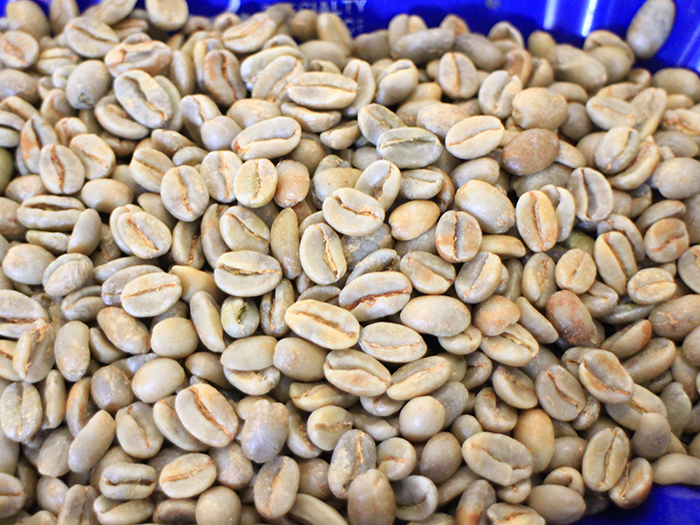
What kind of raw beans are high-quality raw beans? How to choose raw coffee beans? Yega, Ethiopia
What kind of raw beans are high-quality raw beans? First look at the surface of beans, fresh and high-quality raw beans, the surface is shiny, in addition, the processing of good raw beans, uniform color, the surface of uneven color can not be called good beans, must choose uniform color. Secondly, the particle size is the same, which is also evidence of good quality management. Make sure that the particle size is the same when you buy it.
2016-04-14 How raw beans is quality how selection coffee Ethiopia Yega
Introduction of Costa Rican coffee with many excellent producing areas
There are many excellent producing areas in Costa Rica, and the high-quality producing areas of Costa Rica have a common understanding of quality, that is, it requires the use of mature coffee fruits to ensure the production of high-quality coffee. Generally speaking, a large amount of water is used in the post-processing of picked coffee fruit, but the advanced production equipment in Costa Rica saves the use of water resources to the greatest extent.
2016-06-28 Own many excellent producing areas Costa Rica Coffee introduction
Peru organic coffee beans introduction Peru coffee producing area manor taste flavor introduction
The difference between regular organic Peruvian coffee and high-quality organic Peruvian coffee is enormous: the cheaper beans are not only inferior in quality, but often have significant defects in the cup. Especially grassy, overfermented. Finding good Peruvian coffee beans takes a lot of effort, through a lot of middlemen and other sources.
2016-07-13 Boutique Peruvian Organic Coffee Bean Introduction Coffee Region Manor Taste Flavor
Introduction of high-quality coffee beans in Colombian coffee producing area with strong taste
In 1501, the Spaniard R.de Bastidas first reached the northern coast of Colombia and founded the city of Santa Marta in 1525. In 1533, P.de Eredia established Cartagena. In 1535, G. Simone de Xada led the Spanish colonial army into the interior of Colombia, conquered the Chibucha, established the city of Bogota, and Colombia became a Spanish colony. At the beginning
2016-08-15 Taste strong Columbia coffee producing area flavor characteristics boutique coffee beans
Twelve famous high-quality coffee producing areas in Kenya
In 1878, the British landed coffee in Africa and set up a coffee plantation in Kenya in the 19th century, when Ethiopian coffee drinks were imported to Kenya through southern Yemen. But it was not until the early 20 th century that the Bourbon Coffee Tree was saint. The Austin Mission (St.AustinMission) was introduced. Origin of coffee in Kenya: most coffee in Kenya (Kenya) grows at 1500 above sea level
2015-06-01 Famous twelve quality coffee origin Kenya 1878 Englishman
Introduction to the flavor and taste of ten kinds of high-quality coffee in the world
Costa Rica coffee industry set sail very early, coffee farmers can enjoy a very high status here, can be described as a coffee maker's paradise. And Costa Rica's law allows only Arabica coffee, which is rare in the world. High-quality Costa Rican coffee beans, known as extra-hard beans, can withstand planting conditions above 1500 meters above sea level, except for traditional water.
2016-06-02 World Ten Fine goods Coffee Flavor Taste introduction Costa Rica
Coffee knowledge Coffee producing area Panama
Panama coffee is smooth, light and sour, and its high-quality coffee beans are pure and distinctive. The first batch of coffee exported each year is shipped in November, and almost all high-quality coffee beans are shipped to France and Finland. The finest coffee is grown in the north of the country, near Costa Rica and the Pacific Ocean. Chiriqui province Bocket (Boque)
2014-10-09 Coffee knowledge coffee producing area
Twelve famous high-quality coffee producing areas in Indonesia
In the mid-17th century, coffee trees were introduced to Indonesia by the Dutch (some official sources believe that earlier). The first batch of coffee from Java was sold to Amsterdam in 1712. However, coffee trees in all plantations were destroyed by coffee rust in 1877, and Robart coffee trees had to be introduced from Africa to replace the original species. Today, only 6% of the coffee beans and 10% of the coffee beans are Arab.
2015-06-01 Famous Twelve quality Coffee Origin Indonesia 17th Century Middle